

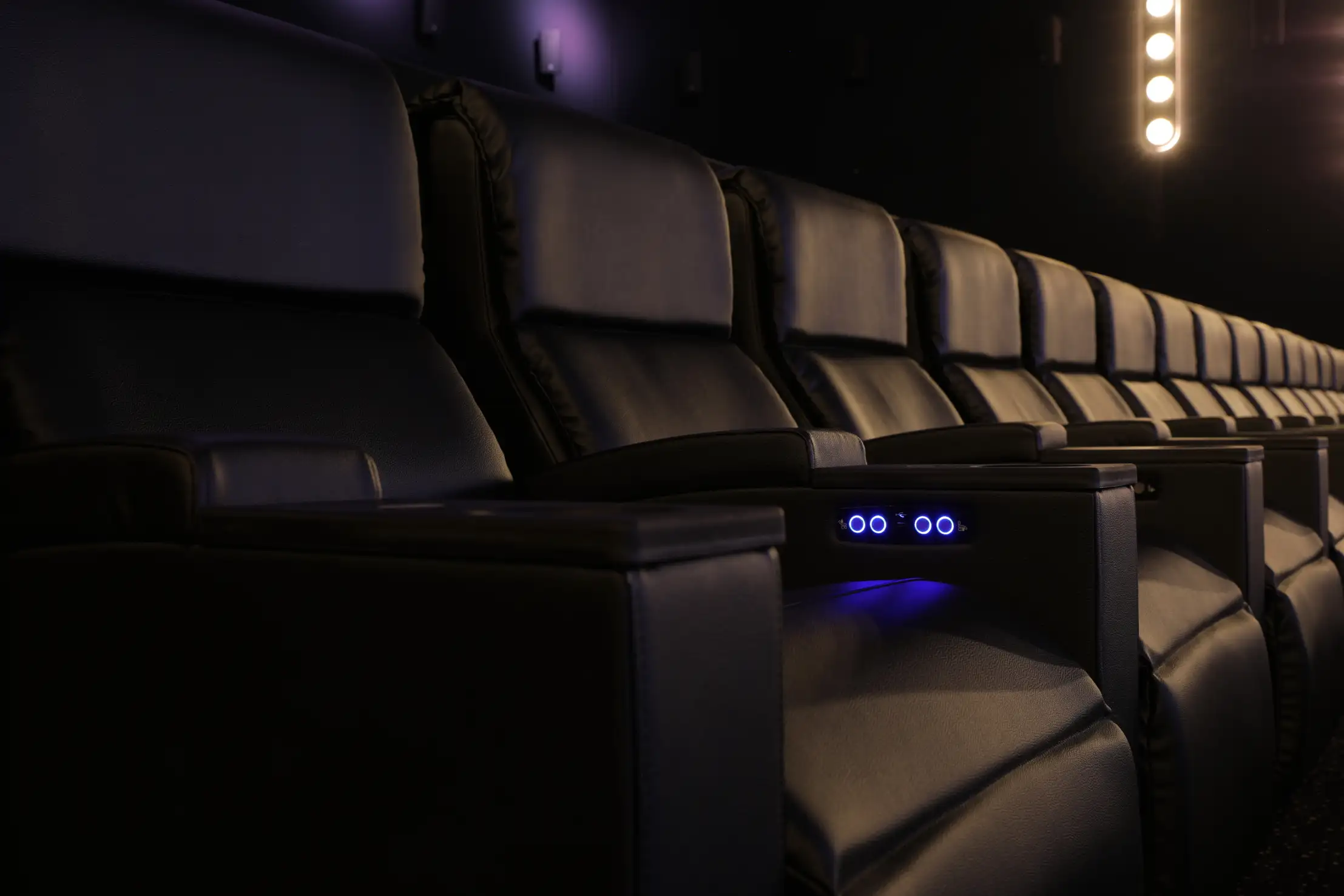
Cinema Seating Manufacturer Solutions
Cinema seating is one of the most important parts of a movie theater project because the audience experiences the entire film from the seat. A cinema hall may have a large screen, strong sound system, carefully planned lighting and impressive interior design, but if the seat is uncomfortable, weak or poorly planned, the whole experience loses value. The cinema seat directly affects comfort, capacity, customer satisfaction, premium ticket potential, cleaning routines and long-term maintenance cost.
A professional cinema seat should support the viewer during long sessions, preserve its form after repeated use and match the business model of the hall. Standard cinema halls need reliable seats that balance comfort and capacity. VIP halls need wider and more refined seating. Recliner halls need more space, movement planning and stronger comfort value. Boutique cinemas need seats that create atmosphere. Private screening rooms need a more personal and premium seating approach.
The best cinema seating solution is not chosen only by model or price. Seat width, row spacing, upholstery, foam quality, armrest design, cup holder position, reclining mechanism, mounting method, numbering and maintenance access should all be evaluated together. A seat that looks impressive in a catalogue may not be suitable if it does not fit the hall dimensions or the expected usage level.
Cinema Seating for Professional Halls
Professional cinema seating must be produced for repeated commercial use. In a movie theater, the same seat may be used several times a day by different visitors. It is touched, folded, cleaned and used during long viewing sessions. This makes cinema seating different from ordinary lounge furniture.
A good cinema seat should remain stable and comfortable after years of operation. The frame should be strong, the foam should keep its form, the upholstery should resist wear, the armrests should remain firm and the cup holders should be practical for daily use. In recliner models, the mechanism and moving parts must also be reliable.
Commercial halls also require visual consistency. Hundreds of seats are installed side by side, so differences in upholstery tension, color tone, stitching, alignment or mechanism movement can make the hall look unprofessional. Controlled production and correct installation are essential for a clean final result.
Standard Cinema Seats
Standard cinema seats are the foundation of most movie theater projects. They are used in multiplex cinemas, independent theaters, cultural center screening rooms, school cinema halls and renovation projects. Their main purpose is to provide long-session comfort while protecting hall capacity.
A standard cinema seat should not feel basic. It should offer proper back support, balanced foam, stable armrests and practical cup holders. The seat should be comfortable enough for a full-length movie and durable enough for repeated daily use.
The correct standard seat depends on the hall layout. Seat width, back angle, folded position and row spacing can change the total capacity and the user experience. A compact seat can help protect capacity, but it must not make the audience feel restricted. A larger seat may improve comfort, but it may reduce the number of available places. The right balance is the key.
VIP Cinema Seats
VIP cinema seats are designed for halls that need a more premium audience experience. These seats are usually wider, softer and more visually refined than standard cinema seats. They may include larger armrests, cup holders, tray tables, premium upholstery, reclining functions or double-seat options.
A VIP cinema seat should make the visitor immediately feel a higher level of comfort. Personal space, soft support, easy movement and better materials all help create this impression. In a premium hall, the seat becomes part of the ticket value.
VIP seating also requires more careful layout planning. A premium hall should not feel crowded. Wider seats and larger armrests need more space. If the rows are too close, the hall will not deliver the expected VIP feeling. The seating, lighting, acoustic panels and interior finishes should all support the same premium atmosphere.
Recliner Cinema Seating
Recliner cinema seating is one of the strongest ways to create a luxury cinema experience. Recliner seats allow the viewer to lean back, extend the legs and enjoy the movie in a more relaxed position. These seats are suitable for VIP halls, luxury movie theaters, boutique cinemas, private screening rooms and premium renovation projects.
Recliner seating requires more planning than standard cinema seating. The footrest opens, the backrest moves and the user’s viewing position changes. This means row spacing, screen height, floor slope, aisle access and cleaning routes must be reviewed before installation.
A recliner hall may have fewer seats than a standard hall, but it can create stronger value per seat. The audience pays for comfort, space and a more private experience. When planned correctly, recliner seating can transform the commercial value of a cinema hall.
Motorized Cinema Recliners
Motorized cinema recliners provide button-controlled movement and a premium user experience. The viewer can adjust the seating position smoothly without effort. This makes motorized recliners especially suitable for VIP cinema halls, luxury screening rooms and high-end private cinemas.
The motorized system should be quiet, stable and reliable. In commercial use, a broken motorized recliner can immediately affect customer satisfaction. For this reason, motor quality, wiring, control button position, service access and installation planning are important.
Electrical infrastructure should be planned early. Power routes, cable protection and maintenance access should be integrated into the project before installation. A premium hall should not have visible or poorly managed cables. The technical system should support comfort without disturbing the interior design.
Manual Recliner Seats
Manual recliner cinema seats can provide reclining comfort without electrical infrastructure. They may operate through body pressure, side handles or mechanical release systems. This makes them useful for boutique cinemas, selected VIP halls, private screening rooms and renovation projects where electrical planning is limited.
A manual recliner should move easily and safely. The user should not need excessive force. The mechanism should feel stable and controlled. If the movement is difficult, noisy or unstable, the seat will not feel premium.
Manual recliners can offer a strong balance between comfort, simplicity and cost control. They are especially suitable where the project needs a more relaxed experience but wants to avoid motorized complexity.
Double Cinema Seats
Double cinema seats create a more social and intimate viewing experience. They are often used in VIP halls, boutique cinemas, private screening rooms and luxury entertainment spaces. These seats are suitable for couples, families and guests who want a more relaxed atmosphere.
A double cinema seat may include shared armrests, separate reclining mechanisms, cup holders, central consoles or sofa-style cushioning. The design should allow two users to sit comfortably without making the row feel crowded.
Double seats require careful space planning because they use more width than individual seats. Row spacing, aisle access, sightlines and total capacity should be checked before final selection. When planned well, double cinema seats can make a hall feel more exclusive and memorable.
Cinema Sofas
Cinema sofas are used when the hall needs a lounge-style atmosphere rather than a traditional seating layout. They can work well in boutique cinemas, private screening rooms, luxury VIP halls and hotel cinema spaces.
A cinema sofa may include wide cushions, special upholstery, cup holders, side panels, reclining functions or custom finishes. The aim is to create a warmer, more relaxed and more personal cinema environment.
For commercial projects, cinema sofas must still be produced for professional use. Ordinary home furniture is usually not suitable for repeated public use, cleaning and long sessions. A project-grade cinema sofa should combine relaxed comfort with durable construction.
Boutique Cinema Seating
Boutique cinemas use seating as part of their identity. These halls often compete through atmosphere, design and comfort rather than maximum capacity. The cinema seat becomes one of the strongest elements of the room’s character.
Boutique cinema seating may include special fabrics, distinctive colors, double seats, recliners, sofas, decorative stitching or custom armrest details. The seat should work with the lighting, wall panels, acoustic treatment, flooring and overall interior concept.
However, boutique seating must remain practical. A unique design that is hard to clean or weak under repeated use can create problems quickly. The best boutique cinema seat combines visual character with commercial durability.
Private Screening Room Seating
Private screening rooms need a more refined seating approach. These rooms may be used in luxury homes, hotels, private clubs, offices, production studios or VIP entertainment spaces. The seating should match the scale, atmosphere and function of the room.
Private screening room seats may include recliners, cinema sofas, double seats, leather upholstery, fabric finishes, tray tables, cup holders and special colors. The layout should be planned according to screen distance, speaker placement, acoustic panels, lighting and walking space.
Oversized seats can reduce comfort in a small room. Very compact seats can weaken the luxury feeling in a larger private cinema. The right seating choice should match both the room size and the intended experience.
Multiplex Cinema Seating
Multiplex cinemas usually need different seating solutions across different halls. A standard hall may need durable capacity-focused seats. A VIP hall may need wider premium seating. A recliner hall may need motorized or manual recliners. A smaller boutique-style hall may need more distinctive seating.
A multiplex project should not treat every hall the same. Each hall should support a different audience expectation and business model. Standard halls protect capacity. VIP halls create premium ticket value. Recliner halls offer luxury comfort. Boutique halls create identity.
Even when different models are used, the overall quality level should feel consistent. The audience should feel that every hall belongs to the same professional cinema brand.
Cinema Seating Layout
Cinema seating layout affects both customer comfort and commercial performance. The goal should not only be to place the maximum number of seats. The layout must support viewing quality, personal space, safe movement, cleaning access and the intended experience level.
Seat width, row spacing, aisle location, floor slope, screen height and back angle should all be evaluated together. Standard seats can protect capacity. VIP and recliner seats need more space but create higher comfort value. Double seats and sofas add atmosphere but require careful planning.
A good layout allows the audience to sit naturally, move without discomfort and watch the screen comfortably. The best cinema seating plan supports the viewer and the operator at the same time.
Row Spacing and Step Depth
Row spacing and step depth are critical in cinema seating projects. If the rows are too close, the viewer may feel restricted. If the seat does not fit the step, installation and comfort problems may appear.
Recliner seats require more space than standard seats because the footrest opens and the backrest moves. Double seats and sofas may also require different spacing. In renovation projects, existing step dimensions may limit the available options.
Before finalizing cinema seating, hall drawings or measurements should be reviewed whenever possible. This helps avoid choosing a seat that looks suitable but does not fit the real structure.
Viewing Angle and Screen Comfort
Every cinema seat should provide a comfortable view of the screen. Poor viewing angles can create neck strain, blocked sightlines or a tiring experience. This is especially important in long movies and premium halls.
In recliner halls, the viewing angle should be checked in both upright and reclined positions. The viewer should not need to lift the head unnaturally while relaxing. Floor slope, screen height, row distance and seat angle should work together.
A good cinema seating plan makes every seat feel valuable, not only the center seats.
Upholstery Selection
Upholstery affects comfort, appearance, cleaning and long-term durability. Cinema seats may use fabric, artificial leather, real leather or special upholstery materials depending on the project.
Fabric creates a warm and comfortable feeling. Artificial leather may provide practical cleaning advantages in some environments. Real leather can be selected for luxury private screening rooms or selected VIP halls. The correct choice depends on usage intensity, cleaning routine, climate and interior style.
Dark colors are often preferred in cinema halls because they support the viewing atmosphere. Black, anthracite, dark grey, burgundy, navy and deep red tones can create a strong cinema feeling. Boutique projects may use more distinctive colors to create identity.
Foam and Comfort Quality
Foam quality is one of the main factors behind long-term cinema seating comfort. A seat may look attractive when new, but weak foam can collapse, lose shape and reduce support quickly.
A good cinema seat should provide balanced support. The seat cushion and backrest should work together to support the body during long sessions. The foam should not be too hard, too soft or uneven.
In VIP and recliner seats, foam quality becomes even more important because the audience expects a premium experience. Long-term comfort should be treated as part of the product quality, not only as a first impression.
Armrests and Cup Holders
Armrests define personal space in a cinema hall. A good armrest should be stable, comfortable and properly positioned. In standard halls, armrests organize the row. In VIP halls, wider armrests create a more premium feeling.
Cup holders are expected in many cinema projects. They should be easy to reach, easy to clean and strong enough for daily use. In premium models, armrests may also include tray tables, control buttons, storage compartments or charging features.
Small details such as armrests and cup holders have a strong effect on how the audience perceives seat quality.
Seat Numbering
Seat numbering supports ticketing and hall organization. In reserved seating systems, visitors need to find their places quickly. Clear numbering reduces confusion and improves the entry experience.
Numbers may be placed on armrests, seat backs, row panels or side details depending on the model. They should be visible, durable and easy to read in low-light conditions. Row letters should also be coordinated with aisle signs and ticketing information.
A complete cinema seating project should consider numbering needs, especially for commercial halls, multiplex projects and ticketed venues.
Cleaning and Maintenance
Cinema seats must be easy to clean because food, drinks, dust and frequent visitor turnover are part of daily operation. Seats should be designed so cleaning teams can prepare halls quickly between screenings.
Cup holders, armrests, side panels and spaces between seats should be accessible. Upholstery should match the cleaning routine. Recliner seats should allow inspection of footrests, mechanisms, motors and moving parts.
A seat that is difficult to clean can create hidden operating costs. Maintenance-friendly seating protects the hall’s appearance and reduces long-term pressure on the operator.
Cinema Renovation Projects
Cinema renovation projects often begin with seat replacement. Old seats can make a hall look outdated even if the screen and sound system are upgraded. New cinema seats can quickly improve comfort, visual quality and customer perception.
Before selecting seats for renovation, existing hall dimensions should be reviewed. Step depth, row spacing, floor slope, aisle width, mounting points and current capacity all matter. The new seat should fit the existing structure without unnecessary construction changes.
A renovation may include standard seat replacement, VIP conversion, recliner upgrade or a mixed strategy. The correct approach depends on the hall’s physical limits and business goal.
New Cinema Projects
New cinema projects allow seating to be planned from the beginning. This creates better coordination between seat model, hall geometry, floor levels, screen position, acoustic panels, lighting, electrical infrastructure and circulation.
If recliners are planned early, the hall can include correct row spacing and power access. If standard seats are planned early, capacity can be optimized more accurately. If VIP halls are included, upholstery and seating design can support the interior concept.
A new cinema project should treat seating as a core part of the experience, not as a late-stage furniture decision.
Acoustic Comfort and Seating
Cinema seating and acoustics are connected. Upholstery, seat density, wall panels, floor materials and room shape affect how sound behaves inside the hall. A strong cinema experience requires both physical comfort and controlled sound.
Acoustic panels can reduce unwanted reflections and improve clarity. Fabric seats may contribute to a softer room atmosphere, while leather or artificial leather surfaces may behave differently. Seating and acoustic treatment should be planned together, especially in VIP halls and private screening rooms.
The audience should sit comfortably and hear clearly. Both are part of a successful cinema project.
European and International Projects
Cinema seating projects in Europe, the Gulf region, the Middle East and Africa may have different expectations. European projects often focus on clean design, technical clarity, durability and long-term performance. Gulf projects may require VIP halls, recliners and luxury finishes. Middle East and Africa projects may prioritize durability, maintenance practicality and strong value in relation to quality.
A professional cinema seating solution should match the project region, usage level, venue type and business model. A high-traffic multiplex needs a different seating strategy from a private luxury screening room.
Manufacturer-Based Supply
Manufacturer-based cinema seating supply gives project teams better control over product details. Seat dimensions, upholstery, colors, armrests, cup holders, recliner mechanisms, numbering and mounting options can be evaluated according to project needs.
This is especially important in large projects where many seats must match in comfort, color, function and finish. Controlled production supports consistency and reduces project risk.
For professional cinema seating solutions, visit the official website.
Quality and Price Balance
Cinema seats should not be selected only by the lowest price. A weak seat can create higher costs through repairs, replacement, customer complaints, upholstery wear, mechanism problems and loss of hall quality. A durable and comfortable seat can provide stronger long-term value.
The correct approach is to evaluate quality, comfort, durability, layout suitability and price together. A cinema seat should support the viewer, protect the appearance of the hall and remain reliable under repeated commercial use.
A strong quality-price balance is especially important in projects where many seats are required and long-term performance matters.
Complete Cinema Seating Categories
Cinema seating projects may include standard cinema seats, VIP cinema seats, recliner seats, motorized recliners, manual recliners, double seats, cinema sofas, boutique cinema seats, private screening room seats, home theater seats and foyer seating solutions.
Each category serves a different purpose. The right selection depends on hall size, business strategy, audience expectation, desired comfort level and technical conditions.
Conclusion
Cinema seating is central to the success of movie theaters, VIP halls, boutique cinemas, private screening rooms and renovation projects. The right seating solution improves comfort, protects hall identity, supports better capacity planning and creates long-term value for the operator.
A successful cinema seating project requires durable production, ergonomic comfort, suitable upholstery, correct row planning, practical maintenance, reliable mechanisms and a strong balance between quality and price. Whether the project needs standard cinema seats, VIP seating, recliners, double seats or private screening room solutions, the best result comes from selecting seats that match the real conditions of the venue.
Created By : Simko Cinema Seating